

Introduction:
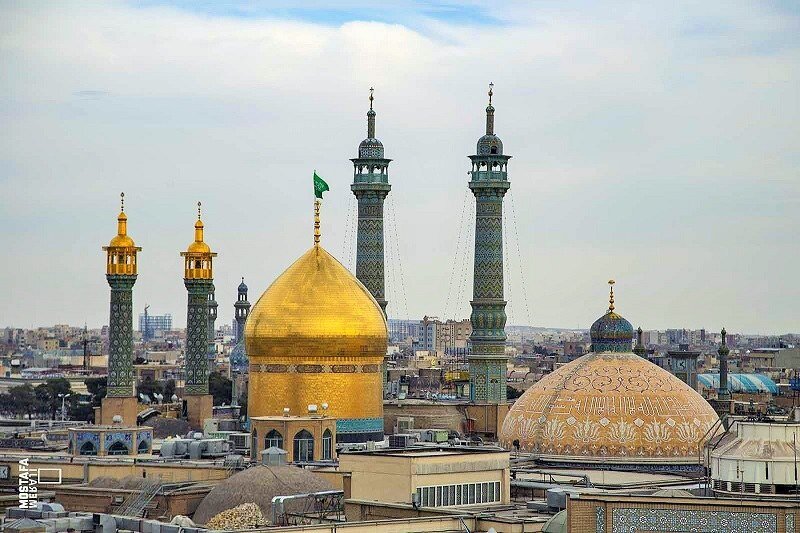
Qom, one of Iran's most significant religious cities, is a major center for Islamic scholarship and pilgrimage. It is home to the revered shrine of Fatima Masumeh and numerous Islamic seminaries, attracting scholars and visitors from around the world.
Historical Background:
- Qom has been an important religious hub for centuries, known for its deep-rooted Islamic teachings.
- The city gained prominence after the shrine of Fatima Masumeh was established, making it a major pilgrimage site.
- It has been a key center for Shia Islam and theological studies.
Religious Significance:
- The shrine of Fatima Masumeh is one of the holiest sites in Shia Islam, visited by millions annually.
- Qom houses major seminaries where scholars from across the world come to study Islamic jurisprudence.
- The city plays a crucial role in the preservation and dissemination of Islamic knowledge.
Architectural Features:
- The shrine of Fatima Masumeh features stunning Islamic architecture with intricate tilework and golden domes.
- The city is adorned with beautiful mosques, seminaries, and historic religious structures.
- Qom’s architectural beauty reflects a blend of Persian and Islamic artistic traditions.
Social and Cultural Influence:
- Qom is an educational hub, shaping Islamic thought and producing renowned scholars.
- The city hosts religious gatherings, lectures, and academic discussions on Islamic teachings.
- It serves as a center for publishing Islamic literature and scholarly works.
Conclusion:
Qom stands as a pillar of Islamic education and spirituality. With its historical significance, religious institutions, and cultural heritage, it continues to be a guiding light for scholars and devotees worldwide.